
Navigating the Perfect Storm: Geopolitics, Energy, and Finance in Today’s International Logistics
Global trade finds itself at an unprecedented crossroads.
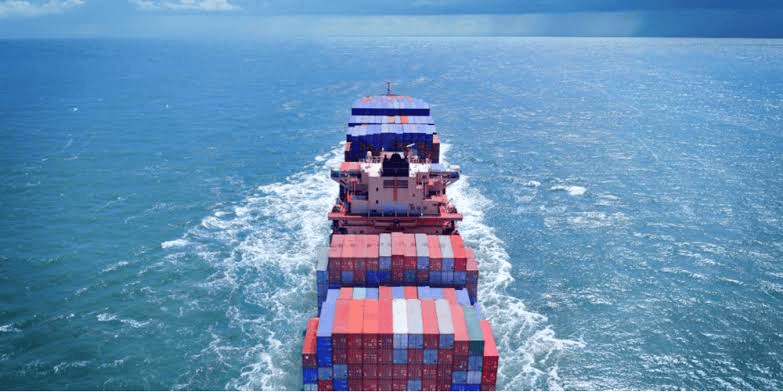
1. The Geopolitical Board: Fragmented Routes and Uncertainty Costs
Traditional maritime and land routes continue to suffer the consequences of global geopolitical reconfiguration. Tensions at strategic choke points, prolonged regional conflicts, and the rise of protectionist measures by economic powers have forced fleets to redesign routes, increasing transit times and freight costs.
- The Impact: Operations relocation (nearshoring and friendshoring) seeks to mitigate these risks, but the transition is complex and requires capital, planning, and a network of highly reliable local partners to avoid bottlenecks.
2. The Energy Variable: Sustainability and Cost Volatility
The logistics sector is one of the largest energy consumers globally. The energy transition, although necessary in the long term, collides in the short term with fossil fuel price volatility and strict international environmental regulations on carbon emissions.
- The Impact: Every fluctuation in the energy market directly impacts the final cost of maritime, air, and land transport. Companies that fail to optimize their loads, consolidate shipments, and adopt energy-efficient logistics practices will see their competitiveness eroded against more agile competitors.
3. The Financial Front: Credit Restrictions and Interest Rates
On the financial front, the rising cost of global credit and strict banking risk management policies have tightened liquidity conditions for working capital. Financing goods in transit, letters of credit, and high-volume foreign trade operations has become more costly and bureaucratic.
- The Impact: Cash cycle efficiency is vital. Logistical delays no longer mean just cargo delayed at sea, but immobilized capital and higher financial costs that directly affect the profitability of both exporter and importer.
The FAONEXUS Response: Anticipation and Network Resilience
Facing this scenario of multiple challenges, the traditional approach of “putting out fires” operation by operation has become obsolete. Success in today’s B2B commerce demands an integrated ecosystem approach:
- Supplier and Market Diversification: Connecting local supply with diversified international networks reduces dependence on vulnerable logistical corridors.
- Surgical Optimization: Auditing and redesigning every link in the supply chain to eliminate inefficiencies better absorbs external cost increases.
- Strategic Alliances: Collaborating with commercial partners who bring expertise, agility, and financial vision drastically lowers the risk of exposure to global volatility.
Conclusion
The current challenges of international logistics are undeniable, but they also act as a natural filter separating traditional companies from organizations prepared to lead the market. The key is no longer avoiding the storm, but building commercial vessels solid and flexible enough to navigate it successfully.
At FAONEXUS, we connect the critical points of the global chain to transform geopolitical and logistical complexity into real growth and expansion opportunities for our clients and allies.
We Connect. We Optimize. We Scale.
— The FAONEXUS Team